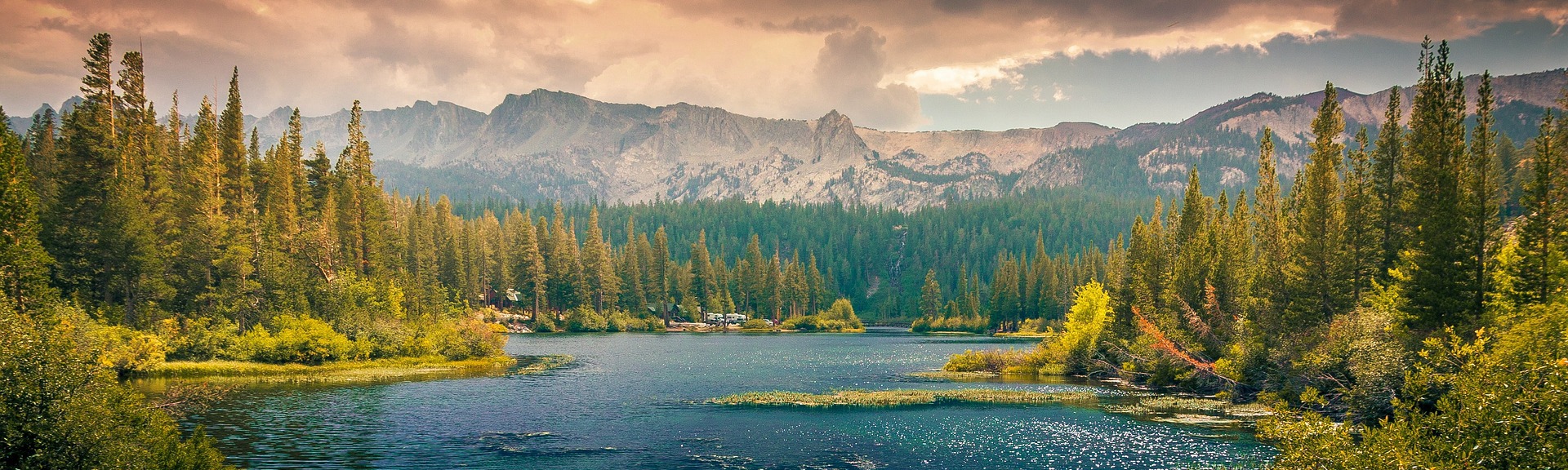
Topographic Map Of Himalayas
If you’re an adventurer seeking breathtaking landscapes and a unique cultural experience, look no further than the Topographic Map of Himalayas. This region is a true wonder of the world, offering an unforgettable journey through towering peaks, lush forests, and vibrant communities.
While the Topographic Map of Himalayas is a must-see destination, it’s important to be aware of the potential challenges that come with such a rugged environment. Altitude sickness, harsh weather conditions, and difficult terrain can all make this journey a daunting one. However, with proper preparation and a willingness to embrace the unknown, the rewards of this journey are truly unparalleled.
When it comes to tourist attractions, the Topographic Map of Himalayas has no shortage of breathtaking sights to see. From the iconic Mount Everest to the serene beauty of the Annapurna Circuit, there’s something for everyone in this region. Additionally, the local culture is rich and fascinating, with ancient traditions and customs that have been preserved for centuries.
In summary, the Topographic Map of Himalayas is a destination that should be on every adventurer’s bucket list. While it may present challenges, the rewards of this journey are truly unparalleled, with stunning landscapes and a rich cultural experience that will stay with you for a lifetime.
My Personal Experience in the Topographic Map of Himalayas
As someone who has traveled extensively throughout the world, I can say without a doubt that the Topographic Map of Himalayas is one of the most awe-inspiring destinations I’ve ever visited. The sheer scale of the mountains is humbling, and the local culture is so vibrant and welcoming.
The Beauty of the Himalayan Range
One of my favorite memories from my trip to the Topographic Map of Himalayas was waking up early to watch the sunrise over the mountains. The colors were so vivid, and the stillness of the morning was so peaceful. It was a moment that I’ll never forget.
The Local Culture of the Topographic Map of Himalayas
One of the things that struck me most about the Topographic Map of Himalayas was the warmth and hospitality of the local people. Despite the language barrier, I felt so welcomed and cared for by everyone I met. I was also fascinated by the ancient traditions and customs that have been preserved in these communities for hundreds of years.
The Art of Thangka Painting
One of the most unique aspects of the local culture in the Topographic Map of Himalayas is the art of Thangka painting. This traditional style of painting involves intricate designs and symbols that are meant to convey spiritual concepts. I was lucky enough to participate in a workshop where I learned the basics of this art form from a local master.
Exploring the Topographic Map of Himalayas in Depth
For those who are truly adventurous, there are many opportunities to explore the Topographic Map of Himalayas in more depth. Whether it’s trekking to remote villages, summiting a peak, or exploring ancient temples, there’s always something new to discover in this region.
The Challenge of Trekking to Mount Everest Base Camp
One of the most popular adventures in the Topographic Map of Himalayas is trekking to Mount Everest Base Camp. This journey is not for the faint of heart, but for those who are up for the challenge, the rewards are incredible. The views of the mountain and surrounding landscape are truly breathtaking, and the sense of accomplishment upon reaching the base camp is indescribable.
FAQs about the Topographic Map of Himalayas
Q: What is the best time of year to visit the Topographic Map of Himalayas?
A: The best time to visit the Topographic Map of Himalayas is from September to November, or from March to May. These months offer the best weather conditions and the clearest views of the mountains.
Q: Do I need to be an experienced trekker to explore the Topographic Map of Himalayas?
A: While some of the more challenging treks in the Topographic Map of Himalayas require experience and physical fitness, there are many options for beginners and those with less experience. It’s important to choose a trek that matches your skill level and to prepare accordingly.
Q: What is the altitude of the Topographic Map of Himalayas?
A: The altitude of the Topographic Map of Himalayas varies, but many popular destinations are above 3,000 meters. It’s important to acclimatize properly and to be aware of the symptoms of altitude sickness.
Q: What should I pack for a trip to the Topographic Map of Himalayas?
A: When packing for a trip to the Topographic Map of Himalayas, it’s important to bring warm clothing, sturdy footwear, and gear for trekking. It’s also important to bring any necessary medications and to be prepared for the potential challenges of the environment.
Conclusion of the Topographic Map of Himalayas
The Topographic Map of Himalayas is a destination that truly has it all: stunning natural beauty, a rich cultural heritage, and endless opportunities for adventure. While it may present challenges, the rewards of this journey are truly unparalleled, and I highly recommend it to anyone who is up for the challenge.